Rotary Encoders for Stockyards, Stacker-Reclaimers & Train Loadouts
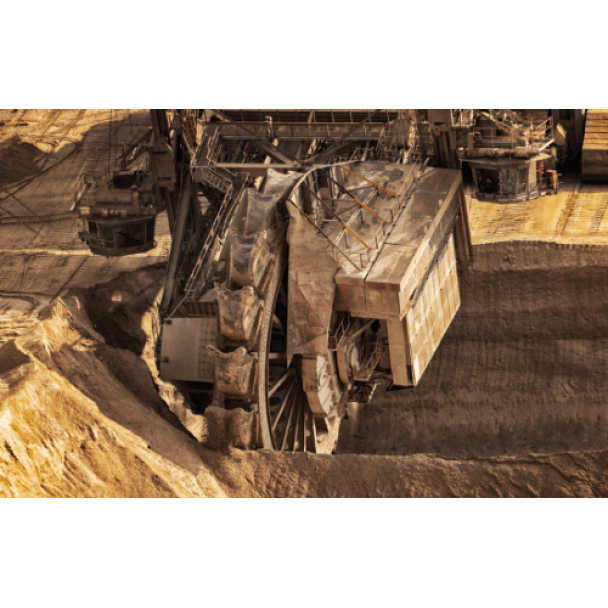
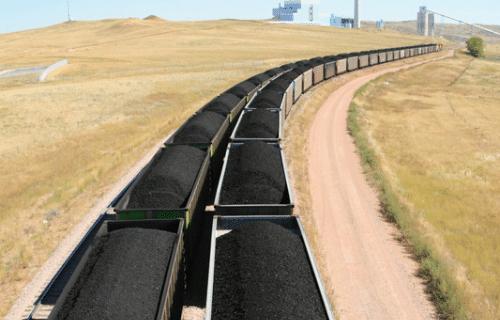
In the coal shipping terminals, bulk coal is brought in by train and unloaded by a car tipper. It's then grouped, blended and held at the port by a stacker-reclaimer. The stacker-reclaimer is a massive piece of equipment, rail-mounted and with a boom length ranging from 40 to 60m. It performs two quite distinct operations on the stockpile: stacking and reclaiming.
Short on Time? Send any questions through our contact page here, or call us directly on 1300 236 467
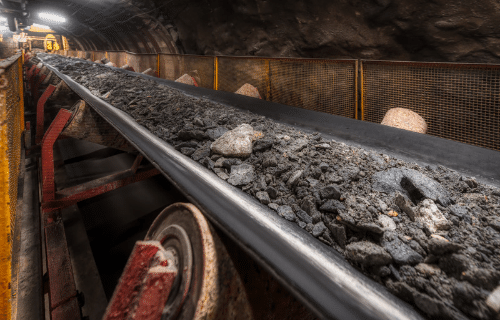
Stacking involves moving the ore from the car tippers. The stacker-reclaimer uses a conveyor to transport the ore and build up a stockpile. This large machine moves around the yard, rotating and raising its boom to stack the coal in layers or to create chevron or windrow stockpiles.
Reclaiming is the stage where ore is moved back toward the main yard for shipping. The stacker-reclaimer uses a large rotating bucket wheel at the end of its boom to dig into the stockpile, lift the ore onto its conveyor, and transfer it to the main outbound belt. These machines can be fully automated to deliver a steady, pre-set feed rate.
The stacker reclaimers, together with the tipper cars, can all work off the same rail system and are all part of the same production system. They are all reliant on positional monitoring to operate effectively in the terminal yard.
Critical Encoder Axes Across Stockyard & Loadout Equipment
- Stacker and reclaimer slew, luff, and long-travel: Multi-turn absolute encoders on the slew ring pinions, luffing winch drums, and rail bogie wheels track boom rotation, elevation angles, and yard travel. This allows the PLC to create a 3D stockpile profile and set up anti-collision zones.
- Bucket wheel and yard conveyor drives: Heavy-duty incremental encoders are installed on the VSD motor shaft and tail pulley to monitor rotational speed, torque load, and belt slip while reclaimers dig into compacted or wet stockpiles.
- Train loadout (TLO) chutes and surge bin gates: Multi-turn absolute encoders on the chute hoist winches and gate pivot trunnions control the chute height and the clamshell gate opening. This ensures wagons are filled evenly, with no spillage or locomotive strikes.
Solving Coastal Corrosion, Blackouts & Conductive Dust
Standard industrial encoders don't last on exposed stockyard machines or coastal jetties because they face salt-fog corrosion, high-pressure washdowns, power outages, and conductive dust.
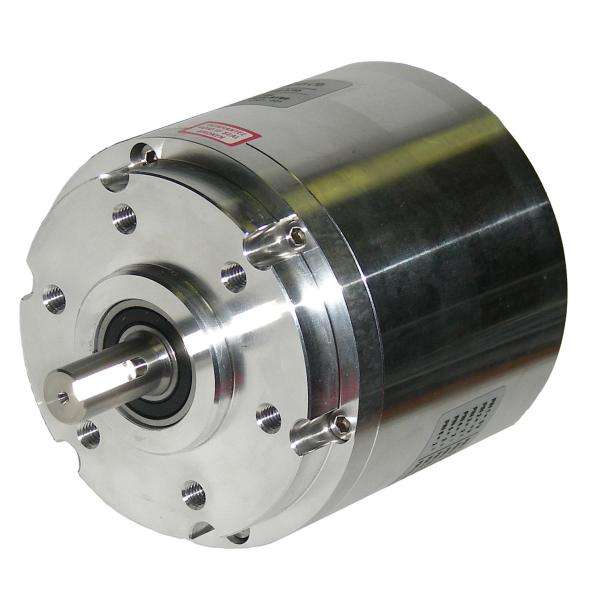
- Battery-Free Multi-turn Memory (Posital IXARC Heavy Duty): Outdoor terminals and mine rail loops often experience power outages from storms and high temperatures, which can wear out backup batteries. Posital IXARC magnetic absolute encoders use battery-free Wiegand energy harvesting to keep track of boom, rail, and chute positions during power loss, so no manual re-homing is needed. They have electropolished 316L stainless steel casings and are rated IP67/IP69K to handle coastal salt spray and high-pressure washdowns. They communicate using deterministic fieldbuses like PROFINET and EtherNet/IP.
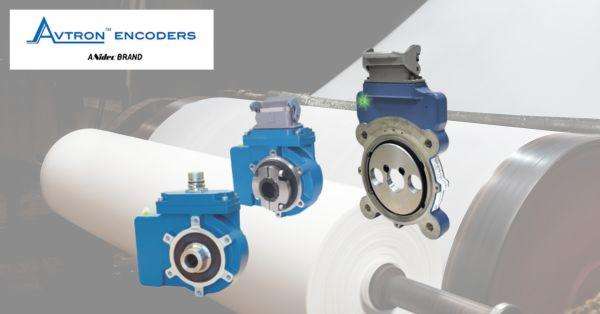
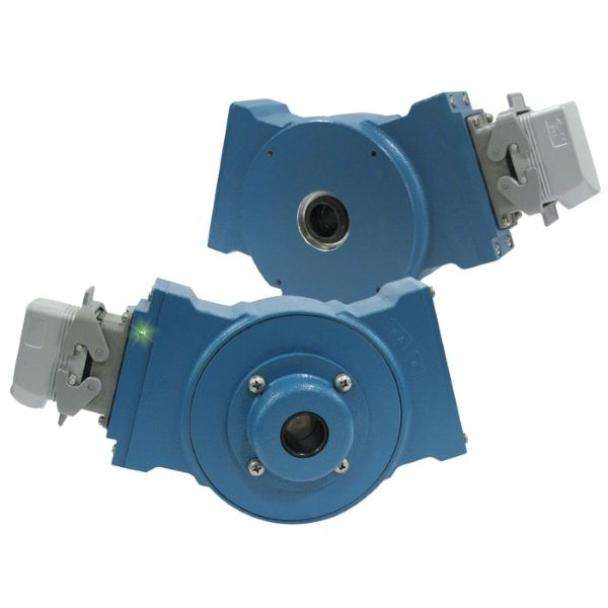
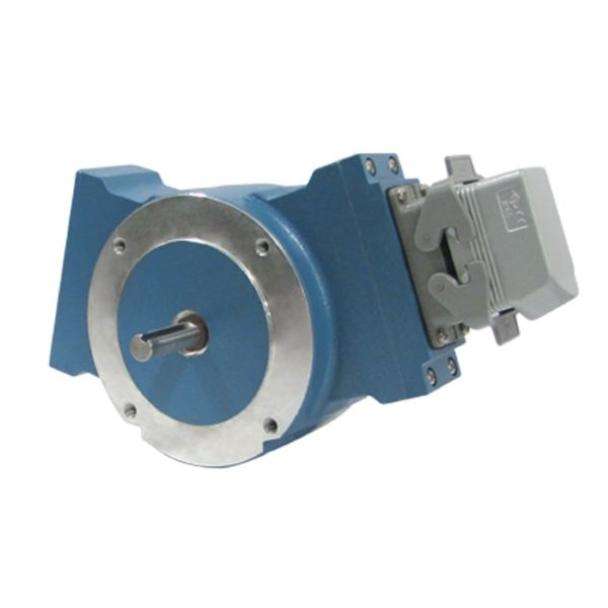
- VSD shaft current and shock protection (Avtron AV485 / AV685 & HS45): On bucket wheel drives and high-power yard conveyors, Avtron magnetoresistive encoders avoid fragile optical glass discs and use a design that can handle 18g continuous vibration and 100g mechanical shock. The HS45, for example, has an insulated hollow shaft to block stray VSD shaft current that could damage the bearings.
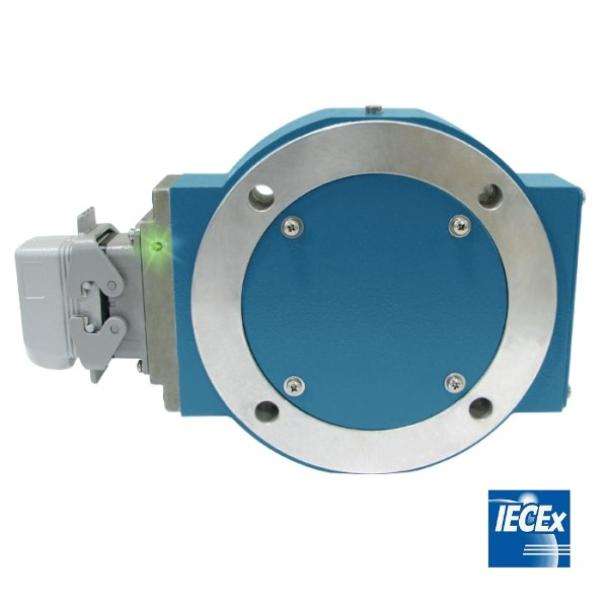
- IECEx Group IIIC coal dust compliance: Dry coal transfer towers, TLO surge bins, and enclosed shiploader galleries create fine, electrically conductive coal dust (Zone 21/22). These areas need IECEx Group IIIC (Ex tb / Ex tc) dust-tight certification and controlled surface temperatures.
Image
Need Help? Call Today!
Need help specifying absolute or incremental feedback for a stockyard machine, stacker-reclaimer, or train loadout upgrade? Send any questions through our contact page here, or call us directly on 1300 236 467.
Image